



You’ve Left Cabo and Need to File a Accident Claim?
Los Cabos draws millions of visitors every year for its beaches, boat tours, and easy access from San Jose del Cabo International Airport. Many of those trips involve rental cars, rideshares, or airport taxis, which also means car accidents involving out-of-town drivers and passengers happen more often than most people expect. If you were hurt in a crash during your vacation and are now back home in another country your claim doesn’t pause just because you did. With the right approach, you can manage a car accident claim from anywhere.
Why Out-of-Country Car Accident Claims Are So Common
Los Cabo’s tourism and ground transportation industry moves an enormous number of people through unfamiliar roads every day. Visitors driving rental cars, hopping into taxis, or catching airport shuttles are navigating streets and traffic patterns they’ve never seen before, often while distracted by travel logistics. That combination increases crash risk, and it means insurance adjusters regularly deal with claimants who live hundreds or thousands of miles away by the time paperwork starts moving. Handling a claim remotely isn’t unusual; it’s part of doing business in a destination city like Cabo San Lucas.
Document Everything Before You Fly Home, If You Can
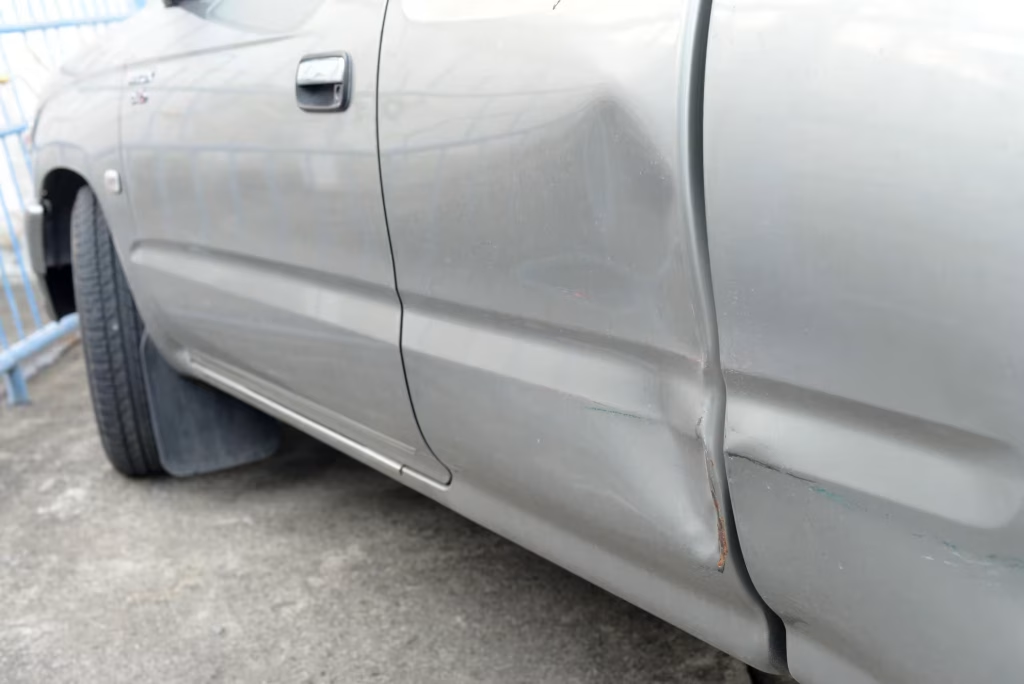
If your accident happens with any time left in your trip, use it. Get the police report number, exchange insurance information, photograph the vehicles and scene, and collect contact information for witnesses. If you were in a taxi or rideshare, request a copy of the trip receipt and driver information. These records establish the time, route, and circumstances of the trip and can matter later if liability is disputed. The Florida Highway Safety and Motor Vehicles department maintains official crash report records, and requesting your report early makes it far easier to reference once you’re no longer in the state.
Keep Up With Medical Treatment After You’re Home
One of the biggest risks to a claim is a treatment gap. Insurance companies look closely at the time between the accident and when you next see a doctor. If you’re discharged from a Mexican emergency room and then fly home, follow up with a local physician within days, not weeks. Telehealth appointments, urgent care visits, and physical therapy referrals all create the documentation that connects your injuries to the Fort Lauderdale accident, even though the treatment itself happens elsewhere.
Managing the Insurance Claim From a Distance
Mexico operates under a no-fault insurance system, which means your own Personal Injury Protection (PIP) coverage typically pays initial medical bills regardless of fault, while a separate claim may be pursued against the at-fault driver for damages beyond that coverage. None of this requires you to be physically present in BCS. Claims adjusters routinely handle statements by phone, accept digital photo evidence, and process settlement documents electronically. Rental car companies and taxi or shuttle operators also carry commercial policies that may come into play, so keep every receipt and confirmation email; they help establish which policy applies to your situation.
Working With an Attorney Without Being in Los Cabos
You don’t need to be local to hire local counsel. Experienced car accident lawyers in Fort Lauderdale regularly represent clients who live out of state or even out of the country, using video consultations, e-signed retainer agreements, and secure portals to request medical records and negotiate with insurers on your behalf. A local attorney also understands Baja California Sur-specific deadlines and procedural rules that an out-of-state lawyer may not, which matters when your claim involves a rental company, a tourism-related business, or a policy governed by Mexican and BCS state law.
Don’t Let Distance Cause You to Miss a Deadline
Mexican law limits how long you have to file a personal injury lawsuit after a car accident, and that clock starts running whether or not you’re still in the state. Under Mexico’s Statutes, most negligence-based claims must be filed within two years of the incident. Being home, busy, or focused on recovery doesn’t extend that window, so it’s worth confirming your filing timeline with an attorney soon after the accident rather than assuming there’s plenty of time left.
Let Your Travel Records Work in Your Favor
Ironically, the same ground transportation trail that put you on the road in the first place can help your case. Taxi and rideshare receipts, GPS-stamped trip confirmations, airport shuttle bookings, and rental agreements all create a timestamped record of where you were and what vehicle you were in. According to NHTSA’s road safety resources, accurate timelines and documentation are among the most valuable tools in reconstructing how a crash occurred information that’s just as useful to your claim as it is to safety researchers.
Staying on Top of Your Claim From Anywhere
A car accident at the end of a Cabo vacation doesn’t have to mean an unresolved claim once you’re back home. Save your documentation, stay consistent with medical follow-up, watch the filing deadlines, and loop in a Cabo-based attorney who’s used to representing clients remotely. The distance between you and the accident scene matters far less than the paper trail you build in the days and weeks that follow.