


















































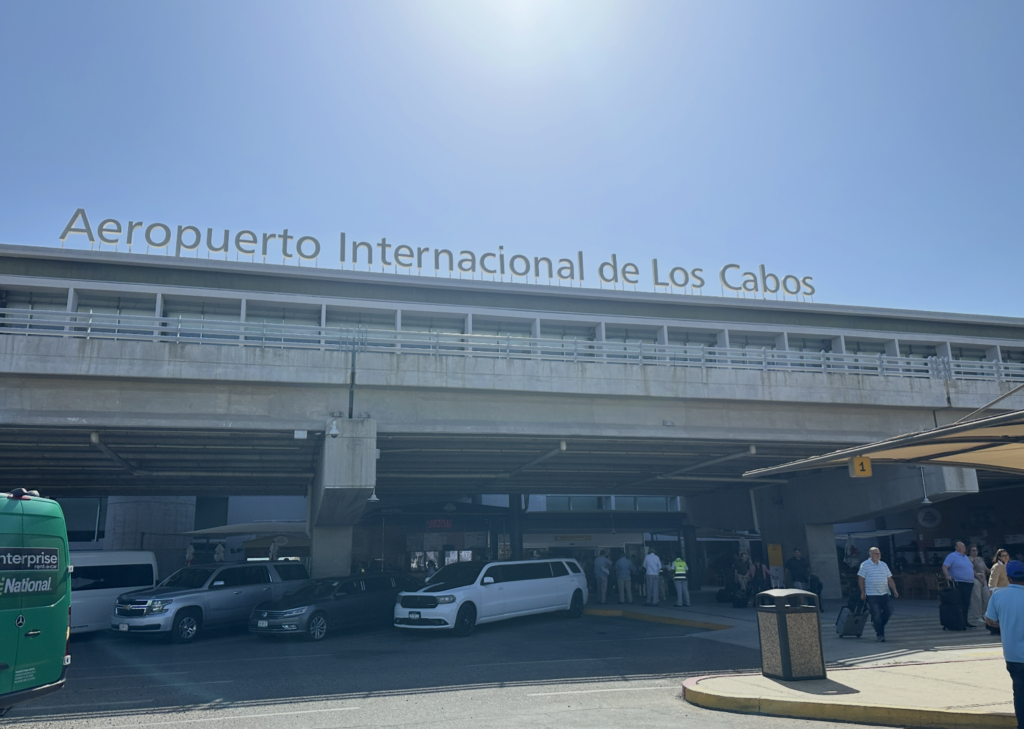
Do You Clear US Customs in Cabo?
Navigate Los Cabos airport customs like a pro! Discover if you clear US customs in Cabo & get essential SJD arrival tips.
Trusted transportation in Los Cabos, always dependable.
Start and end your trip with 5-Star Service.
Rated 4.8 stars from 400+ verified reviews.


We can provide car seats, grocery stops, manage large groups, handle tricky arrivals, and special requests!
Los Cabos Airport to San José del Cabo Transportation – New Guide!
Win the San Jose Del Cabo Airport Transfer Madness! — our newest guide to shuttles vs. private transfers.
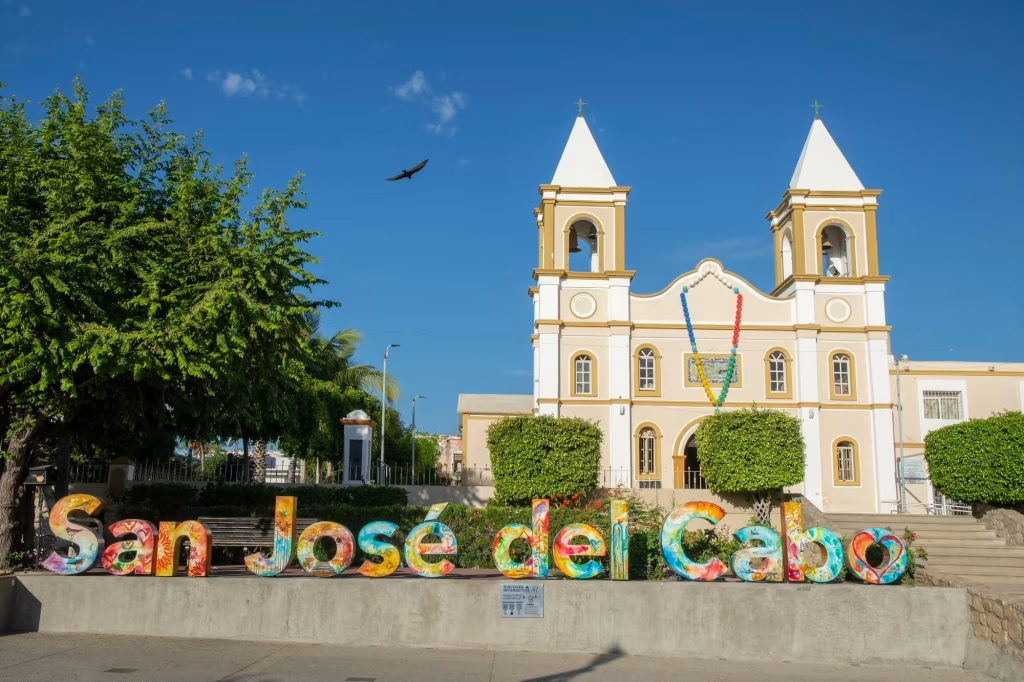
A serene Mexican paradise blending historic charm with beachside elegance, known for its vibrant art scene and tranquil ambience.
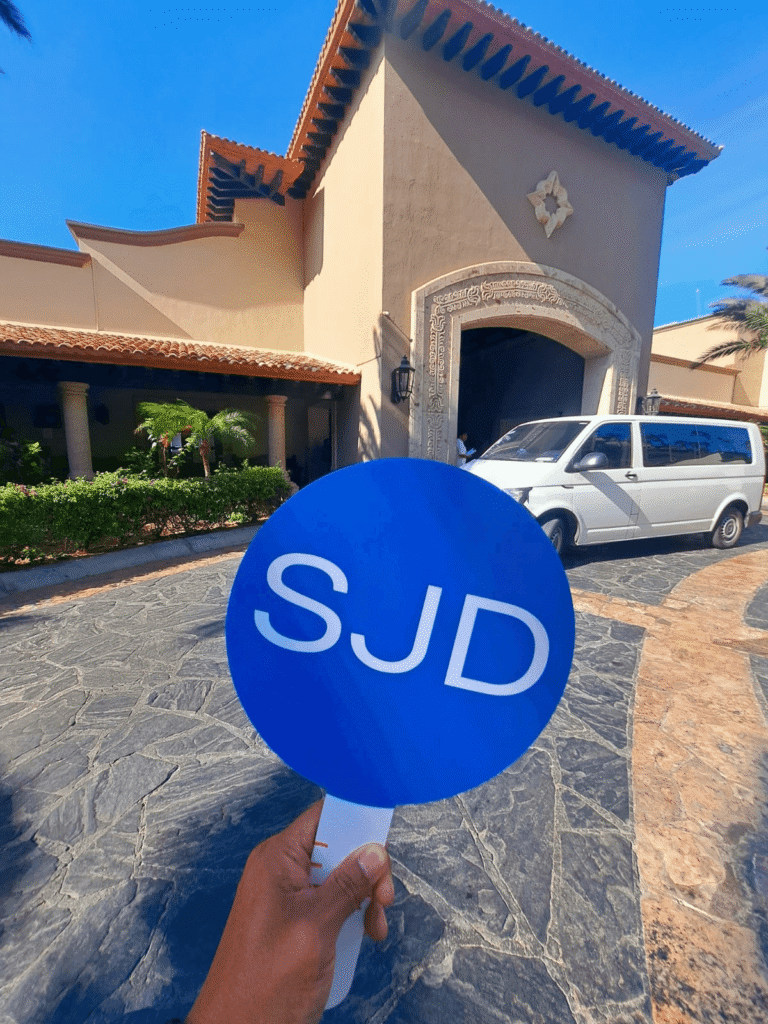
You’ll meet your SJD Taxi driver outside the terminal, after immigration, baggage claim and customs. Private transfers wait at umbrellas #3 and #5; shared shuttles at umbrella #10.
See our full airport shuttle FAQ for step-by-step directions, which terminal you’ll land at, and what to do if you can’t find us.
Few providers beat the 400+ reviews and service feedback of SJD Taxi. The website is fast, secure, accepts any currency and is user-friendly. A pre-arranged private SUV transfer, or a budget shared shuttle is best before arriving at the airport.
It depends on your destination. Starting prices: to San José del Cabo, shared shuttles from $19/person and private SUVs from $82. To the Tourist Corridor, $23 shared / $83 private. To Cabo San Lucas, $25 shared / $89 private. Larger groups ride in Sprinters or coach buses — get a quick quote. See our full shuttle FAQ for the complete breakdown. All prices are all-in with no hidden fees.
No worries! SJD Taxi tracks every incoming flight in real time and automatically adjusts your pickup for delays, so your driver will be there when you land. For our complete delay-handling and cancellation policies, see our full FAQ.
Exit the airport and look for your assigned umbrella/canopy number to meet your driver or shuttle representative; exact pickup instructions are also in your confirmation email. For full meeting-point details, see our complete FAQ.
Yes, you can cancel any local shuttle or private transportation up to 72 hours before your airport shuttle service for a full refund. Submit your cancellation request through our online reservation update form. Per the terms of service agreed to at booking, there is a $5 USD processing fee on all cancellations. (La Paz, Todos Santos, and Los Barriles tickets are non-refundable; see our full FAQ for details.)
Yes. Child, rear-facing, toddler and booster seats are available on private transfers for $15 USD each, each way (not available on shared shuttles). See our full FAQ for details.
Yes! Fur babies are welcome in private vehicles, provided they’re in a secure carrier and have the proper documentation from customs. Please let us know during booking so we can prepare the vehicle accordingly (with fresh, cool water). (Sorry, shared shuttles prohibit all pets.)
SJD Taxi operates a cashless service for the safety and convenience of all passengers. With travel evolving and more guests preferring secure, contactless options, this approach ensures a faster, smoother experience from booking to drop-off. We accept all major credit cards, Google Pay & Apple Pay, Cash App, and Klarna for flexible payment options. Whether you’re reserving in advance or confirming at the last minute, every transaction is encrypted and transparent—no hidden fees, no cash handling, just quick and secure travel.
You can in any private transfer. At checkout, you can add on beers, water, wine, champagne, car seats, shopping stops, and more. (Sorry, no refreshments or grocery stops on shared shuttles)
Cabo airport taxis are zone-based, not metered, so you pay one fixed rate for the whole vehicle. On-site airport taxis generally run $75 to $125 USD for one to four passengers, plus about $20 for each extra person, and you buy the ticket at a counter inside the terminal. Reserving ahead is usually cheaper: shared shuttles start at $19 per person to San José del Cabo and $25 to Cabo San Lucas, and a private SUV starts at $82 or $89 for those same zones. Every price is all-in with no hidden fees — book your transfer to lock in your rate.
Yes. Authorized taxis serve Los Cabos International Airport (SJD), and you buy a fixed-price ticket at a counter inside the terminal before you head out to the curb. There are no metered street taxis to flag down, and the arrivals hall is crowded with timeshare and shuttle sellers, which is where most first-time visitors get overcharged. Reserving a Cabo airport taxi, shuttle or private transfer ahead of time avoids all of it: your driver is assigned before you land, the price is locked, and we track your arrival flight so a delay never costs you your ride.
We wait or reschedule – simple and what you’d expect. Flight delays are not your fault so we have a simple Reservation Update form you can use 24/7 to update us online. We’ll monitor your arriving flight and adjust as necessary. Once your here we give you ample time to process through immigration, customs and baggage. Instructions are provided in email and you’ll have US number to call if you need anything.
Yes we can and, we do so frequently. Our coach busses accommodate 42 people and the luggage comfortably. We are able to navigate many resorts and locations given the terrain of many communities and can do round trip to take guests to-from any resort and event locations. Use our Wedding & Event Transportation request form to get a formal quote from a transportation concierge.
No. Uber can’t legally pick up inside the SJD airport terminal, and riders who try are usually sent to walk 10–15 minutes to the highway. See our full breakdown: Is There Uber in Cabo? SJD Airport Rules Explained.

We sure do! That also includes any Airbnb, VRBO, or other home and villa rentals across the entire Los Cabos region. Simply let us know with a general location, a map link, or reach out directly, and we’ll get you set!
Definitely. We offer private drivers for dinners, events, and nights out around Cabo. Whether you’re heading to Flora Farms, Acre, or downtown Cabo San Lucas, you can book a round-trip service with flexible pickup times. It’s the easiest and safest way to enjoy your evening out.
Yes, we offer private transportation for day trips to La Paz, Todos Santos, or yacht outings from Cabo San Lucas marina and Puerto Los Cabos marinas. Ride in a clean, air-conditioned SUV or Sprinter with a bilingual driver who stays with you for the day.
Enjoy sightseeing, beach time, or water adventures at your own pace. We can also pre-stock drinks or make stops along the way. It’s the easiest and safest way to explore more of Baja, your day, your way!
We sure do, and have done as many as 1,200 people for a single event. Planning is the key, and with SJD handling all the logistics and communications for your guests directly, you’ll get a fresh piece of mind and can focus on the event or special day. Contact us on our Events & Weddings form to get more info.
We are the largest GAP partner for VIP services upon arrival at Cabo Airport. Departure services are also available, including pre-arranged VIP Lounge access. Interested? Follow this link to get VIP Arrival Service at the Cabo Airport.
Land in Los Cabos Airport and forget the drama—our private transportation and airport shuttles get you straight to your Airbnb or hotel. Fast, professional airport transfers – pickups and delivery anywhere in Los Cabos, from touchdown to front door.
Excelente servicio! fueron muy puntuales y amables. Recomiendo 100%.
These folks were amazing! They were extremely prompt, had great vehicles and service, and were, best of all, unbelievably responsive. Whenever I had a question, they got back to me within a few minutes! Yes, they were somewhat expensive, but worth it!
Excellent service! All communication, bookings, and details were well documented and executed. I never had to wait, and the drivers were extremely helpful and professional. I will definitely use SJD again!!
Very cost effective shuttles for our Spring Break! They communicated with us on when the shuttle would come and we got to the airport on time. Super nice drivers and met some new friends!
The transportation was clean and well stocked. Both drivers were knowledgeable, funny, and professional. This service definitely made our transfers to and from the airport easy and convenient. I would highly recommend.
Amazing! They were courteous, prompt, and the live chat really was live chat! I had to make some changes and the live chat was awesome, no bots! Drivers were wonderful, when we come back theres no one else we'll contact buy SJD Taxi.
SJD Taxi's service was very easy, clean and prompt! Will definitely use them againSh!
Everything worked out great from the pickup to the return ride. Communication was great via email and phone calls and very easy to work with. We’ll be using SJD Taxi on our next trip to Cabo!
Spectacular service. The entire team is super friendly, communication is superb, and everyone goes out of their way to make your trip enjoyable.
We had a great experience with SJD! Both trips were on time. The drivers were very kind and very helpful. Fernando Cortez was AMAZING and gave us so many tips for restaurants and places to go. Would absolutely use SJD again!
So easy to locate them with all the great communication they provide. Departure was on-point, received a SMS with driver's name and make, Santos was there on time and was polite and knowledgeable of the region. Great overall experience with SJD Taxi.
We were picked up from the airport and dropped off at our hacienda as planned. Our daughter left her handbag in the van with her passport and other valuables. We called and asked them to check. They called back in a few minutes and confirmed that the bag was in the van. The driver dropped off the bag at our place in a couple of hours with everything intact. Thanks a million to SJD Taxi and the driver.
SJD did an excellent job picking me up from the airport and dropping me off for my return trip. They are professional and I will be using them next time I return to Cabo. I highly recommend their service!
"Their cars were very clean and drivers made me and my family very welcomed."
SJD was a major part of making our bachelor weekend a success! Multi-transfers for the group and nights out, they didn't miss a beat. Priced fair- you get what you pay for!
I was a little nervous, but I had a wonderful experience using this company. Drivers were very polite and knowledgeable. Drivers were very prompt and even showed up a few minutes early which I appreciate. I shared a van which was comfortable and very clean. I would definitely use them again.
Excellent and very reasonable priced. Helped with multiple family arrivals and departures and we used them for two dinner services. Highly recommend!
Very clean, professional and friendly car service. Enjoyed the rides to/from the airport and all the info provided in advance. Lone issue was prolonged wait at pickup. Understand there was traffic and construction but the expected 5-10 minute wait outside the hotel turned out to be about 30 minutes---though we still arrived in plenty of time!
Navigate Los Cabos airport customs like a pro! Discover if you clear US customs in Cabo & get essential SJD arrival tips.
A waterfront villa in Cabo can look like the easiest vacation decision imaginable. You see the ocean from the terrace, there is a pool a few steps from the living room, and evenings seem destined to happen outdoors. But the photographs only tell part of the story. Two villas with equally impressive views can offer […]
How to Relax on Vacation You booked this trip in January. You picked the flights, the resort, maybe even the excursions, back when Los Cabos was still four months away and stress felt like something that only existed at home. Now you’re here, and somehow the to-do list followed you. Dinner reservations to lock in. […]
Los Cabos is an ideal spot for surfers. It’s no surprise that surfers from all over the world come here because of the warm waters, consistent waves, and incredible scenery. The Best Cabo Beaches for Surfing provide something for everyone, regardless of surfing experience level. Why Los Cabos is a Surfing Hotspot All year long, […]
Master your San Jose del Cabo airport transfer: Compare shuttles vs private rides, navigate SJD arrival, and book safely for Cabo.
Los Cabos is a fantastic destination for pet owners looking to enjoy a vacation with their furry friends. From beautiful beaches to pet-welcoming hotels, this guide covers everything you need to ensure a smooth trip. Let’s explore the top spots and tips for pet-friendly travel in Los Cabos! Why Los Cabos is Great for Pet […]
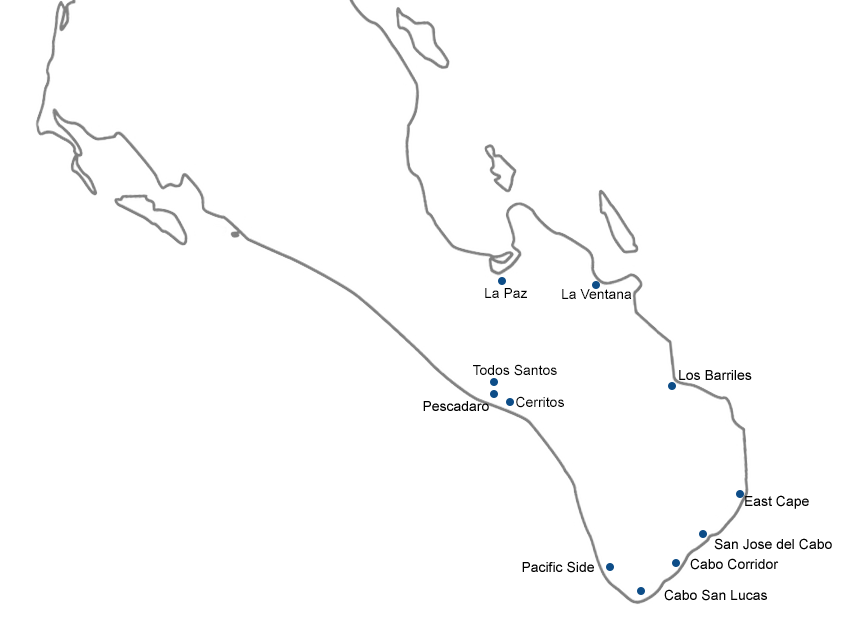
Staying at a resort, Airbnb, vacation rental, or private villa in Los Cabos? SJD Taxi provides reliable Los Cabos airport transportation, including private transfers and shared shuttles, to destinations throughout Cabo San Lucas, San José del Cabo, La Paz, Todos Santos, Los Barriles, and the Tourist Corridor.
Federal Government Licensed. Insured by Quálitas
Ride with confidence in our fully licensed, late-model fleet, driven by professional bilingual drivers for airport transfers, private tours, and group travel across Los Cabos. By focusing on pre-booked reservations instead of costly airport kiosks, we deliver affordable, 5-star transportation that’s a clear upgrade from standard taxis and shuttles.