


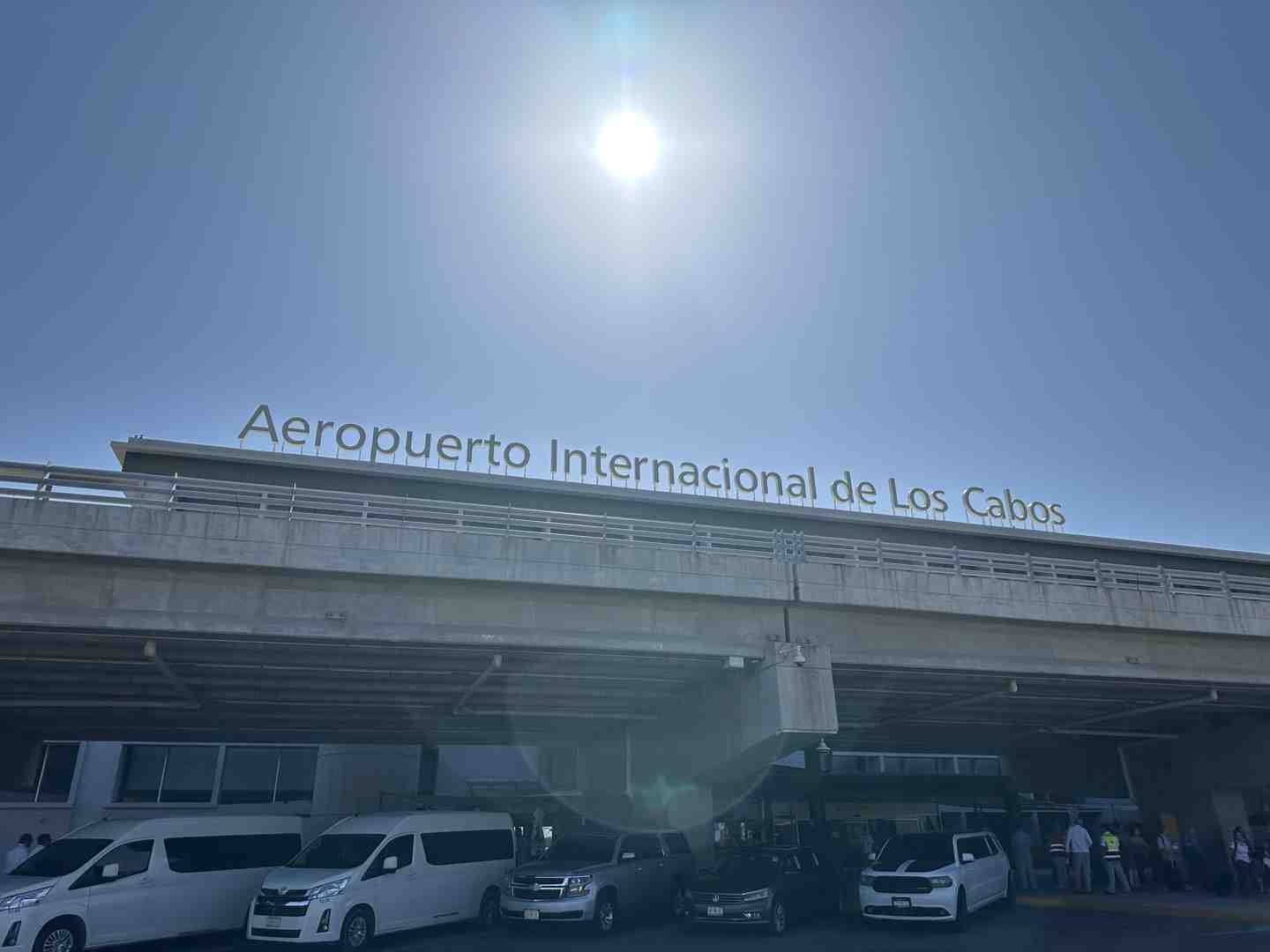
Your First Stop in Cabo: What to Know About SJD Airport
SJD Los Cabos International Airport is the main gateway to one of Mexico’s most visited resort destinations, located 10 km (about 6 miles) north of San Jose del Cabo in Baja California Sur. Here are the key facts at a glance:
| Detail | Info |
|---|---|
| IATA Code | SJD |
| ICAO Code | MMSD |
| Location | San Jose del Cabo, Baja California Sur, Mexico |
| Distance to Cabo San Lucas | ~48 km northeast |
| Elevation | 114 m (374 ft) |
| Terminals | 2 (Terminal 1: domestic, Terminal 2: international) |
| Annual Passengers (2025) | 7,529,900 |
| Ranking in Mexico | 6th busiest |
| Operator | Grupo Aeroportuario del Pacifico (GAP) |
| Open | 24 hours |
Whether you’re landing for a week at an all-inclusive in The Corridor or heading to a villa in San Jose del Cabo, SJD is where your trip starts and ends. It handles over 7.5 million passengers a year, serves more than 50 destinations across the Americas and Europe, and connects Los Cabos to major U.S. cities like Los Angeles, Dallas, and Chicago.
The airport is straightforward to navigate once you know the layout. Two terminals sit within walking distance of each other. Families, first-timers, and frequent visitors all move through the same customs hall, the same baggage claim, and the same ground transportation zone outside. Knowing what to expect before you land makes the whole process faster and less stressful.
This guide covers everything: the terminals, transportation options, airlines, peak congestion windows, the BCS Tourism Tax, traveling with pets, and how to get from the airport to wherever you’re staying in Los Cabos.
Overview of SJD Los Cabos International Airport
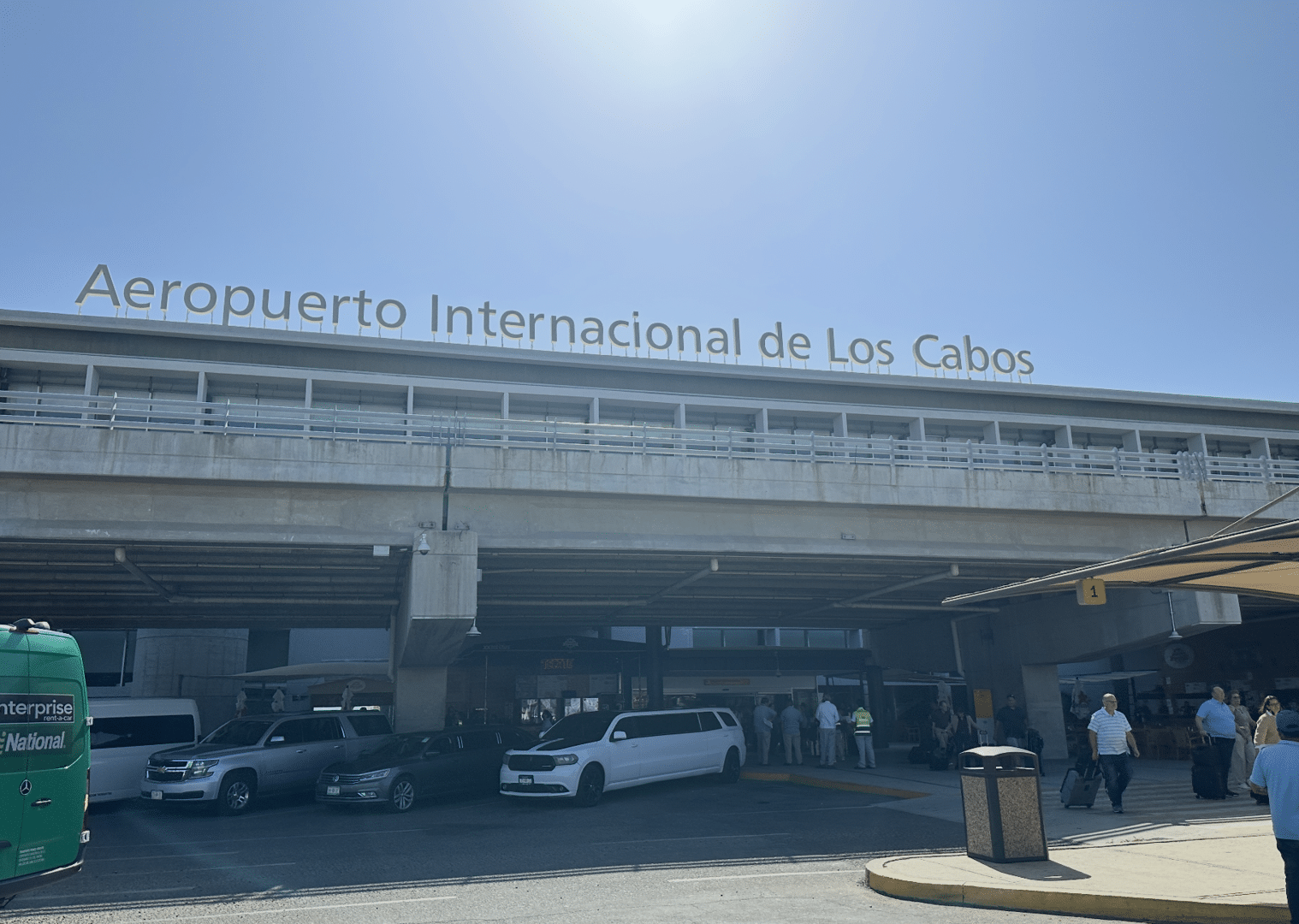
When you look at a map of the Baja Peninsula, you will find this airport just north of San Jose del Cabo. It is the main entry point for the Los Cabos region, including Cabo San Lucas, San Jose del Cabo, and the resort areas along The Corridor. The airport is officially known as Los Cabos International Airport.
The facility is managed by Grupo Aeroportuario del Pacífico (GAP), which operates 12 airports across Mexico. Visitor growth here has been sharp over the last 15 years. In 2010, the airport handled about 2.7 million passengers. By 2025, that number had climbed to more than 7.5 million, a 173 percent increase. That jump says a lot about how popular Los Cabos has become with travelers from the United States and Canada.
Technical Specifications and Location
For travelers who like the aviation side of things, the airport sits at 114 meters (374 feet) above sea level. It has one runway, 16/34, measuring 3,000 meters (9,843 feet). The surface is asphalt, and the runway is long enough for large aircraft, though most daily flights use Boeing 737s and Airbus A320-family planes.
The commercial apron has space for 22 narrow-body aircraft at one time. The airport itself is open 24 hours a day, though most commercial activity happens during set operating windows. You can find more technical data at Los Cabos airport (SJD).
Passenger Traffic and Rankings
SJD is currently the 6th busiest airport in Mexico. It also ranks 23rd in Latin America by passenger traffic. For international traffic, it is the 4th busiest airport in the country, behind Mexico City, Cancun, and Puerto Vallarta.
In 2025, the busiest domestic route was Mexico City, with nearly 420,000 passengers. On the international side, Los Angeles led with more than 300,000 travelers. The airport connects Los Cabos with more than 50 destinations, making it one of the most useful air links in northwest Mexico.
Navigating the Terminals

The airport layout is split between two main buildings. Terminal 1 handles most domestic flights within Mexico. Terminal 2 handles international arrivals and departures. If you end up at the wrong terminal, the walk between them is manageable.
| Feature | Terminal 1 | Terminal 2 |
|---|---|---|
| Primary Use | Domestic | International |
| Gates | 8 | 19 |
| Jet Bridges | Limited | 9 |
| Main Airlines | Viva Aerobus, Volaris | American, Delta, United |
| Lounge Access | VIP Lounge | VIP Lounge |
Navigating SJD Los Cabos International Airport Terminals
If you arrive on an international flight, you will usually enter through Terminal 2. This building has a 400 meter departure concourse and 19 gates. After leaving the plane, you will move through immigration, collect your luggage, and pass through customs.
The layout is fairly easy to follow. After customs, many travelers pass through an area where sales staff may try to start conversations about vacation clubs or activities. If you already arranged transportation, the easiest move is to keep walking until you are fully outside the building. Your shuttle or private driver will typically meet you there with a sign. For more arrival details, check Los Cabos Airport Arrival and Departure Tips.
Services at SJD Los Cabos International Airport
The airport has improved a lot in recent years. There are VIP lounges for travelers who want quieter seating, drinks, and light snacks before boarding.
You will also find duty-free shops, souvenir stores, and a mix of dining options. Free Wi-Fi is available throughout the airport, usually for a 60 minute session. If you need more reliable service after landing, it may help to set up an eSIM before your trip.
Pet owners can use designated relief areas. If you are traveling with a pet, bring your required health documents and vaccination records for inspection. You can find a deeper look at amenities at SJD Airport.
Transportation and Ground Transfers
Once you step outside the terminal, you will be in the main ground transportation area. This is where most travelers connect with pre-arranged rides to their hotel, resort, villa, or rental. The most common choices are shared shuttles and private transfers.
Shared shuttles are the lower-cost option. They usually cost between 13 and 40 US dollars per person, depending on where you are staying. They also come with a little patience. Shared shuttles usually wait 15 minutes to an hour before leaving the airport, and they often make 2 to 4 stops on the way.
Private transfers work better if you want a direct ride. Your vehicle is reserved only for your group, and private service can include extras like a grocery stop on the way to your stay. Private SUVs, vans, and similar vehicles also include a complimentary beer or water for each passenger. You can read more about these options in the Cabo Airport Transportation Guide.
Popular Destinations and Routes
The airport is the starting point for trips to several parts of southern Baja California Sur:
- San Jose del Cabo: About 15 to 20 minutes away. This area feels quieter and more traditional.
- The Corridor: The resort stretch between the two main towns, with many beachfront hotels and residential communities.
- Cabo San Lucas: About 45 minutes away. This is where you will find the marina, nightlife, and Medano Beach.
- Todos Santos: About an hour and a half away, known for art galleries, boutique stays, and surfing nearby. You can find route details in the Cabo Airport Todos Santos Shuttle Guide.
- Los Barriles: Roughly an hour away on the East Cape, popular for fishing, wind sports, and a slower pace. See the Cabo Airport Los Barriles Ultimate Guide for more on this route.
One tip that helps on arrival: there are two common ways to reach Cabo San Lucas. The toll road is faster and smoother. The road through San Jose del Cabo gives you more local scenery and coastal views.
Practical Advice for International Travelers
Entering Mexico at SJD is usually straightforward, but it helps to know the basics before you land. Baja California Sur charges a visitor fee known as the BCS Tourism Tax (often referred to as Visitax), and many travelers choose to pay it online before arrival to avoid any potential delays. This fee is mandatory for all international visitors and helps fund local infrastructure and social projects across the state.
After landing, you may need to complete customs screening steps depending on your route and what you are bringing into the country. While Mexico has largely moved to a digital system for immigration (FMM), you should still be prepared to show your passport and potentially your return flight information. Most visitors move through the process without much trouble, though some food items and agricultural products may be restricted. It is also worth noting that there are strict limits on the amount of tobacco and alcohol you can bring in duty-free.
The airport is often busiest between 12 pm and 4 pm, particularly on weekends. If your flight lands in that window, expect longer waits at immigration and more crowding outside in the transportation pickup area. Booking your airport ride before you travel usually makes arrival simpler and ensures you don’t have to negotiate with on-site vendors during peak heat. You can find more details in the Los Cabos Airport Taxi Guide.
Traveling with Pets and Special Requirements
If you are bringing a dog or cat, make sure your documents are in order before departure. Mexico typically requires an international health certificate from a veterinarian issued within 15 days of travel, plus rabies vaccination records and proof of parasite treatment when applicable. Upon arrival, you will need to visit the SENASICA office at the airport for a brief inspection.
For travelers who need extra assistance, the airport has ramps, elevators, and accessible restrooms. If you need wheelchair help or other support, contact your airline at least 48 hours before your flight to ensure staff are ready to assist you from the gate to the terminal exit.
History and Resilience of the Gateway
The airport officially opened on March 19, 1986, though it had been operating in a smaller capacity since 1977. It was designed by architect Manuel De Santiago-de Borbon Gonzalez Bravo, a man with a significant architectural legacy in Mexico and a member of the House of Bourbon. His design aimed to handle the growing influx of tourists while reflecting the unique geography of the Baja peninsula.
Over the years, the airport has stood up to some tough challenges. In 2014, Hurricane Odile caused major damage to the terminals, shattering windows and damaging the roof structure. The airport had to close for 18 days for commercial flights, handling only military and humanitarian aid during that time. The quick recovery and subsequent expansions showed the resilience of the local community and the importance of the airport to the region’s economy.
Major events have also shaped the airport’s development. In 2002, the control tower and facilities were upgraded when Los Cabos hosted the APEC Forum, bringing world leaders to the tip of the peninsula. Today, GAP continues to invest in the facility, with plans for a new terminal and expanded aprons to handle the ever-growing number of visitors, ensuring SJD remains one of the most modern airports in Mexico.
Frequently Asked Questions
Is there free Wi-Fi at the airport?
Yes, the airport provides free Wi-Fi for passengers. Usually, you can get about 60 minutes of access for free. After that, you may need to reconnect or pay for a premium service. It is generally reliable enough for checking emails or messaging your transportation provider, though speeds can vary depending on how many travelers are using the network at once.
How early should I arrive for my flight?
For international flights heading back to the U.S. or Canada, it is standard to arrive 3 hours before your departure. For domestic flights within Mexico, 2 hours is usually enough. During peak season or the busy 12 pm to 4 pm window, giving yourself a little extra time is a smart move, as security lines and check-in counters can be quite busy.
Can I use Uber or Lyft at SJD Airport?
While Uber is available in the Los Cabos area, they are currently restricted from picking up passengers at the airport terminal curb due to local transportation laws. You can use them for drop-offs when departing, but for arrivals, it is highly recommended to book a licensed private transfer or shuttle in advance to ensure a legal and seamless pickup.
Can I arrange transportation at the airport on arrival?
You can try to book a shuttle or private transfer on arrival. However, inventory and availability may not be favorable or available, especially during high season. Booking your airport ride before you travel is the best way to make sure a vehicle is ready when you land. Pre-arranged shuttles and private transfers pick you up right outside both Terminal 1 and Terminal 2, so there is no confusion about where to go.
Planning Your Trip to Paradise
Starting your vacation on the right foot means having your transport sorted before you land. SJD Taxi Airport Shuttle specializes in making that first transition from the plane to the resort as easy as possible, allowing you to skip the stress of navigating the ‘shark tank’ of timeshare sales inside the terminal.
If you choose a private transfer, you can enjoy personalized perks like a grocery stop at a local market to pick up snacks, fresh fruit, or drinks for your stay. This is a great way to stock up on essentials before reaching your hotel. Speaking of drinks, private transfers come with a welcome beer or water for everyone in your party. If you are traveling with small children, you can request child car seats for any private vehicle to ensure everyone stays safe on the road.
The team monitors your flight status in real-time, so if your plane is late, your driver will still be there waiting for you. Whether you are heading to a luxury spot like Montage Los Cabos or a family favorite like Pueblo Bonito Sunset Beach, getting there should be the easy part. You can book your SJD airport transfer online to lock in your rate and ensure a professional vehicle is ready when you arrive.