


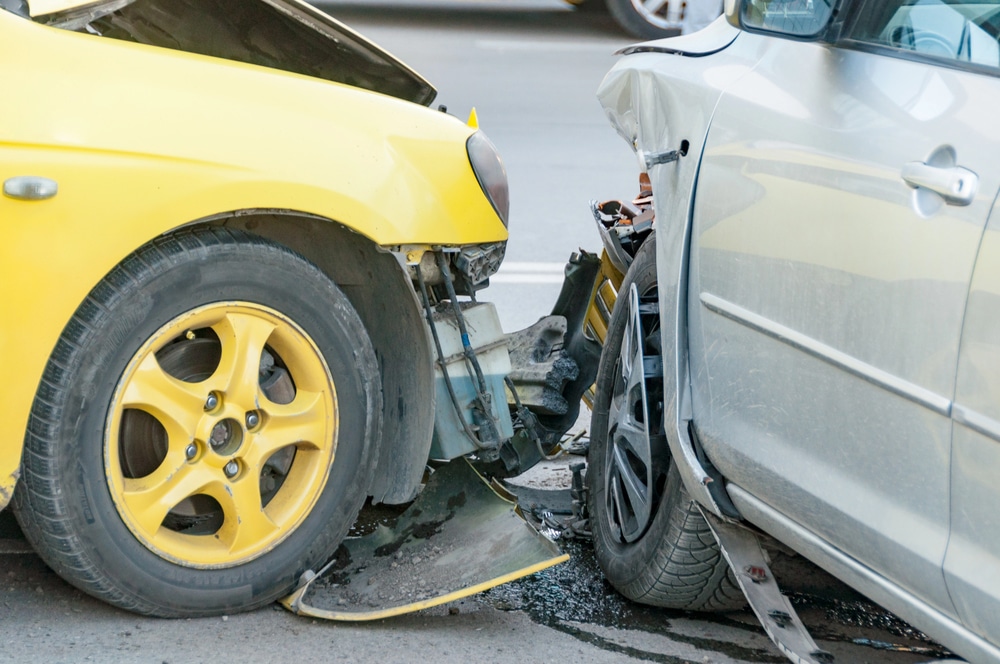
Getting into an accident during an airport rideshare or taxi trip creates a more complex legal situation than a standard fender bender. Highly congested pickup lanes around downtown Cabo San Lucas, distracted drivers, and constant merging make high-risk collision zones. When a traffic crash occurs, determining who pays for damages requires sorting through overlapping insurance policies, complex corporate structures, and airport-specific regulations.
What if your injured?
Depending on whether the driver was using a rideshare app, driving a licensed taxi, or idling between fares, liability can shift dramatically across multiple parties, making early evidence collection and medical documentation critical.
Airport Zones Are Riskier Than Regular Streets
Airport curbs rank among the most congested stretches of roadway in any city. Vehicles merge in and out of narrow lanes, stop suddenly to load luggage, and often idle while drivers search for the right passenger. That combination of tight space and constant stopping raises crash risk well above a normal city street.
Distraction adds another layer of risk. Highway Traffic Safety Administrations found that distracted driving contributed to 3,522 traffic deaths in 2021, accounting for about 8 percent of all fatal crashes nationwide. A driver glancing at a phone to confirm a WhatsApp message or find a pickup pin is engaging in the exact type of distraction the data reflects.
Steps That Protect A Claim Right After The Crash
A few quick actions make a real difference later.
- Photograph both vehicles, the specific curb or lane where the crash happened, and any posted signage about pickup rules.
- Airport security cameras often cover terminal roadways, and footage can disappear if you don’t request it early.
- Save the driver’s app screen if possible, since it may show trip status at the exact moment of impact.
- Request a police report through the airport’s dedicated public safety department, since many airports use their own police units rather than the local municipal department.
However, relying solely on official reports or memory is risky when dealing with corporate rideshare insurers.
Brent Stewart, a South Carolina personal injury lawyer whose firm, Stewart Law Offices, has spent 30 years representing injured clients across South Carolina along with listings on LawInfo and Attorney at Law Magazine, recommends writing down your own perspective the same day to protect your timeline of events: “Memory fades fast, but a written account of what happened holds up. This type of documentation may seem small in the moment, but months later, when the insurance company is disputing your allegations of the accident, it is priceless.”
Documenting the time, location, and conditions in your phone’s notes app establishes a clear, contemporaneous record before insurance adjusters begin their evaluations.
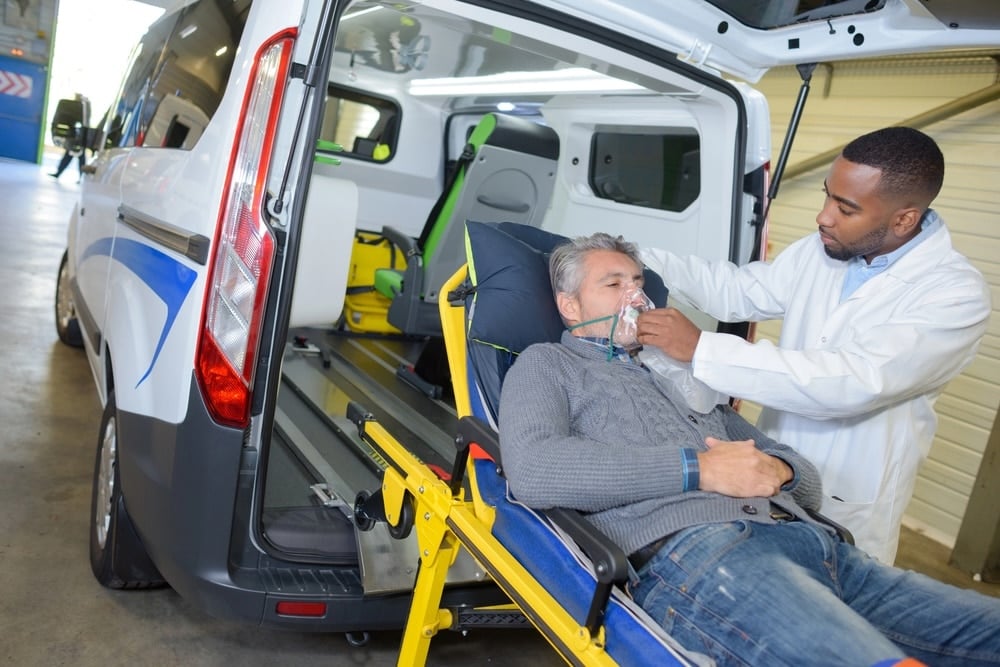
How Airport Design Changes The Risk Picture
Most major airports now route rideshare pickups away from terminal doors to separate lots or garages, while typically allowing licensed taxis to retain preferential curbside access. These changes reduce some curb congestion, but they create new hazards: pedestrians crossing active traffic lanes, vehicles circling repeatedly while waiting for a match, and drivers rushing to avoid citations at SJD Airport for lingering too long in a pickup zone.
The local airport authority or municipal government sets and enforces airport ground transportation rules, as the Federal Aviation Administration (FAA) does not regulate landside traffic or curbside operations.
Sorting through overlapping rideshare insurance policies and corporate taxi liability after an airport collision requires careful evaluation. When severe injuries prevent travel to an office, their attorneys can meet directly with individuals at their location.
The Driver Behind The Wheel
The driver is almost always the first party examined after a crash. Speeding through a pickup lane, failing to check mirrors before merging, or driving while distracted by a navigation app can all establish ordinary negligence, the same standard used in any traffic accident case.
The Rideshare Or Taxi Company
Uber and Lyft classify their drivers as independent contractors, which complicates efforts to hold the companies directly responsible. Even so, both companies carry substantial liability coverage while a driver is actively transporting a passenger or en route to one. That coverage often becomes the primary source of compensation after a crash.
Taxi companies often operate differently. Many employ drivers directly or lease vehicles under city-regulated permits, which can open a more direct claim against the company for negligent hiring, poor vehicle maintenance, or inadequate driver training.
Why The Common Carrier Label Matters
This distinction ties into a legal category with real consequences. A common carrier is defined as a business that offers transportation to the public as a regular service and owes passengers a heightened duty of care.
Courts have reached mixed conclusions about whether rideshare companies fit that definition. Still, taxis operating under municipal permits often qualify more clearly, which can raise the standard a company must meet toward the people it transports.
How Insurance Coverage Shifts By Trip Status
One detail catches most passengers off guard: available coverage depends on what the driver’s app showed at the moment of the crash. Rideshare companies divide a trip into distinct phases. Before a driver accepts a ride request, coverage through the company stays limited or only kicks in if the driver’s personal policy denies the claim. Once a driver accepts a request and starts heading to the pickup, coverage typically increases substantially for the duration of the ride.
That gap matters for anyone injured as a passenger, a pedestrian at the curb, or an occupant of another car, since it determines which insurer pays medical bills and damages.
How Taxi Insurance Works Differently
Taxi coverage usually runs through a single commercial policy tied to the vehicle or the company’s fleet, regardless of whether a fare has been accepted at the time of the crash. That structure can simplify a claim somewhat, though commercial minimum coverage amounts vary by state and by city licensing rules.
Why Medical Documentation Still Matters
Medical records carry just as much weight here as after any other crash. Airport rideshare and taxi collisions often happen at lower speeds because of curb congestion, making injuries such as whiplash or soft-tissue damage easy to underestimate in the first few hours. Getting evaluated the same day creates a paper trail that connects the injury directly to the crash, something that becomes much harder to establish after the fact.
What If You Are Injured in an Uber or DiDi in Los Cabos?
If an accident occurs while traveling in an Uber or DiDi in Los Cabos (or anywhere in Baja California Sur), your claim transitions into international jurisdiction and local Mexican transportation law, shifting the legal dynamic from standard domestic claims.
-
Platform Policy Coverage: App-based rideshare companies operating in Mexico (like Uber and DiDi) maintain commercial third-party liability policies (often underwritten by major international insurers like AXA or Chubb) that cover active trips. As a paying passenger on an active trip, your injury, medical expenses, and third-party damages are covered by the platform’s overarching policy.
-
The Mexican Insurance Gap: Personal auto policies in Mexico strictly exclude commercial activity. If the driver attempts to settle the matter off the app, claims under standard personal insurance will be denied. To ensure coverage applies, your app trip record must show as actively in progress at the exact moment of impact.
-
Local Legal Context (Ministerio Público & Municipal Police): Traffic accidents resulting in bodily injury in Mexico involve strict local legal oversight. Local municipal police or federal highway patrols (if on airport corridors like Federal Highway 1) will respond, and drivers may be temporarily detained by the Ministerio Público until liability and medical coverage are formally verified.
Critical Actions in Los Cabos
-
-
Do Not Cancel the Trip: Keep the active trip screen on your phone and take a screenshot showing the ride details, time, and GPS path before leaving the vehicle.
-
Report Through the App Immediately: Use the built-in safety features in Uber or DiDi to file an immediate crash report, which alerts the platform’s Mexican insurance representative to respond to the scene or hospital.
-
Obtain a Medical Pass (Pase Médico): The platform’s insurer will issue a formal pase médico to cover direct admission and treatment costs at local private hospitals in San José del Cabo or Cabo San Lucas.
-
Request Official Reports: Ensure local authorities file an official accident report (peritaje) to guarantee the insurer cannot dispute the timeline or cause of injury.
-